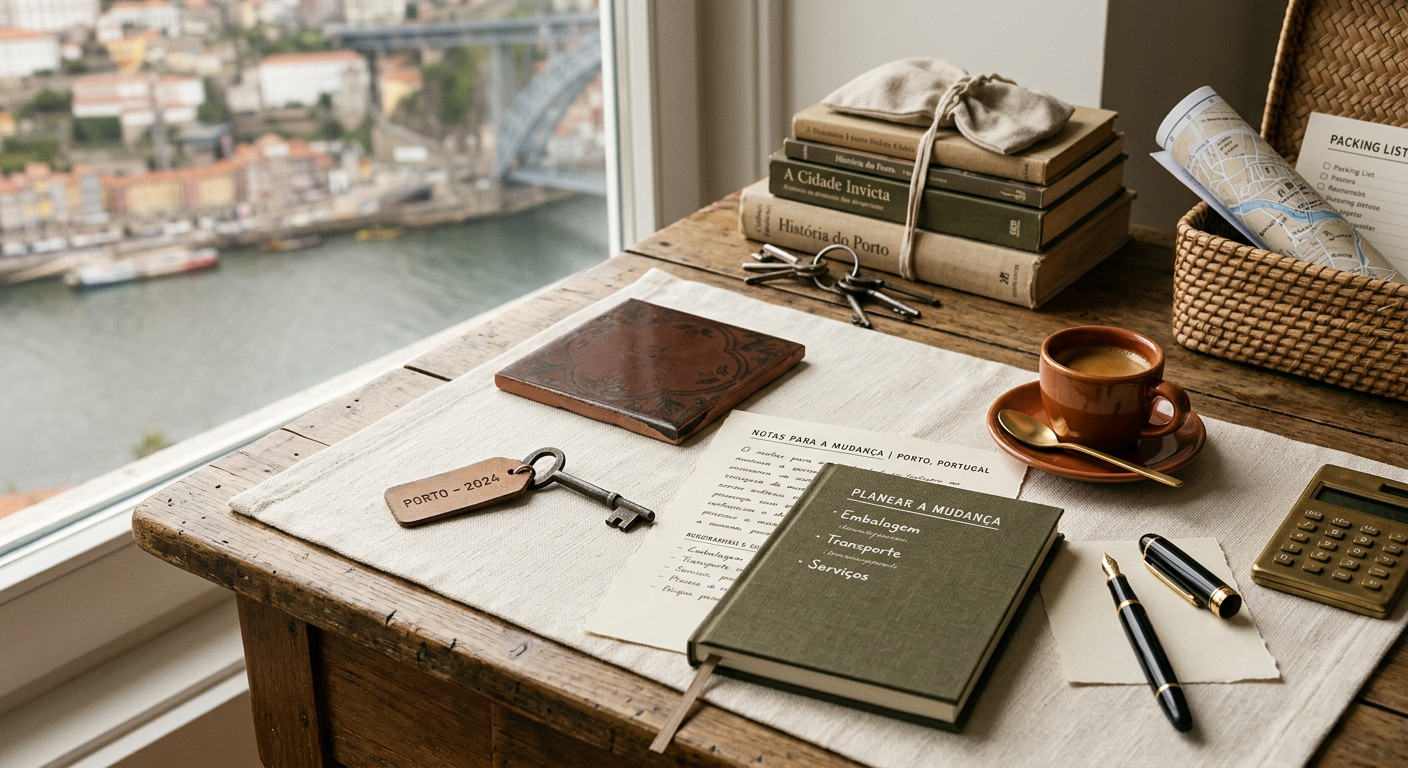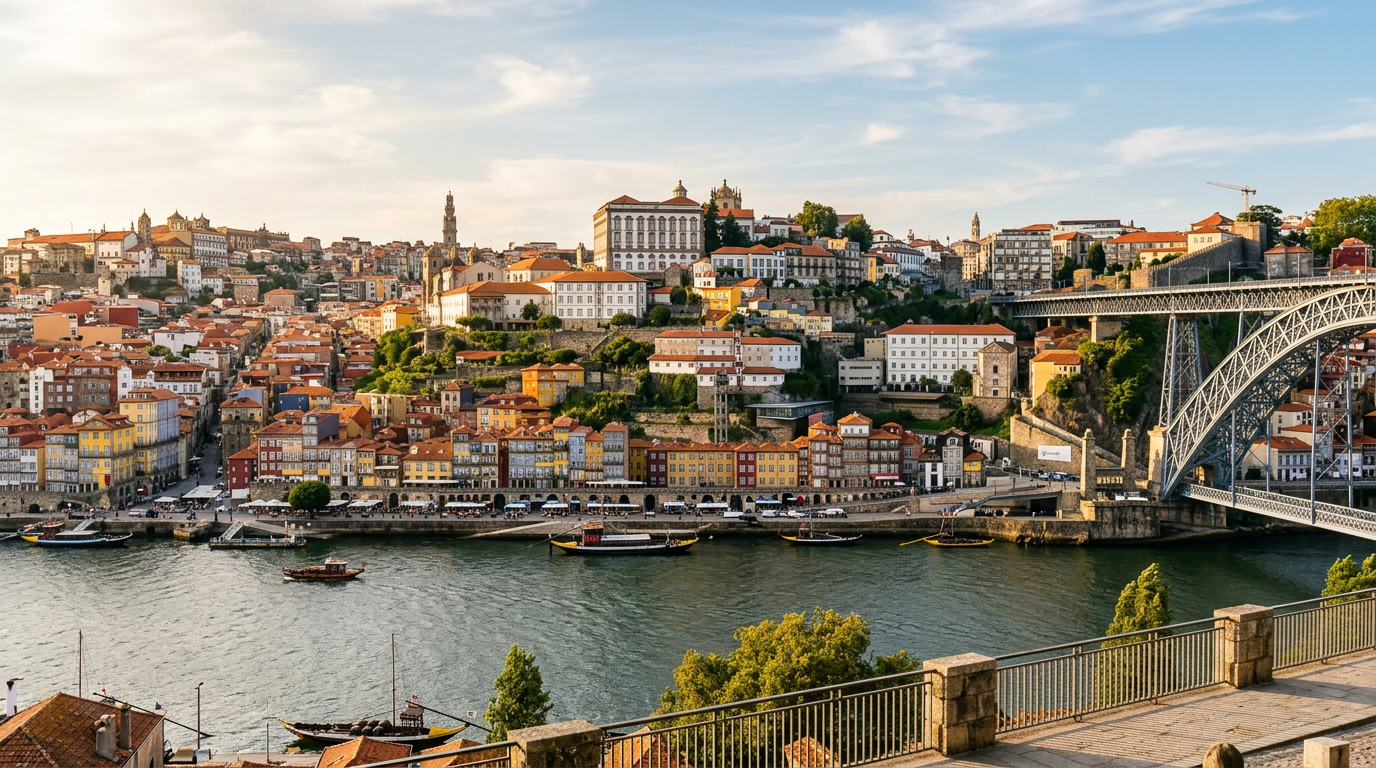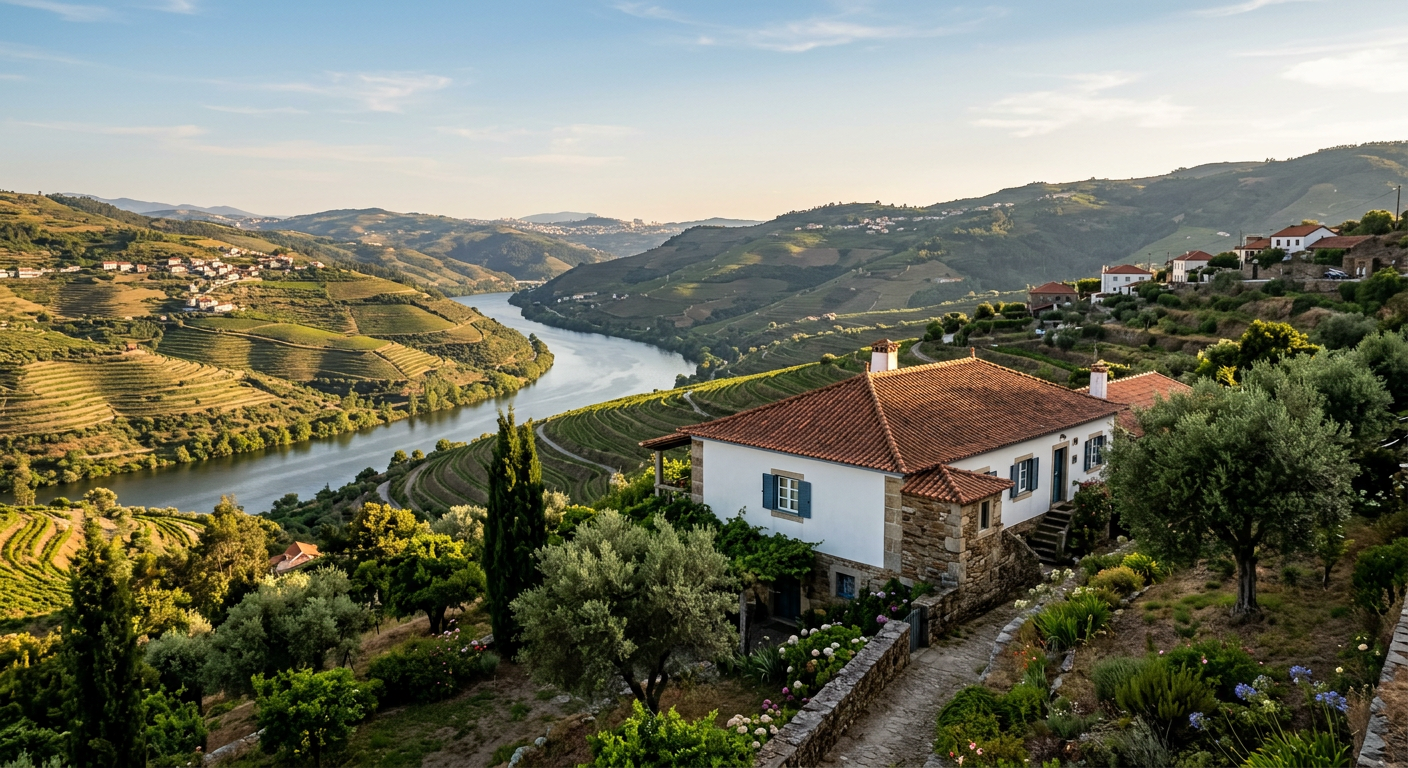

More and more Dutch people are falling for the northern charm of Portugal. Those who choose living in Porto choose a city with an authentic soul, breathtaking river views, and a relaxed pace that embraces you immediately. While the capital Lisbon can sometimes feel busy and overwhelming, Porto offers a manageable, intimate scale without sacrificing culture, gastronomy, or international amenities. With the Atlantic Ocean within cycling distance and the rolling vineyards of the Douro Valley in your backyard, you experience an extraordinary balance between urban dynamism and natural tranquility here.
01What makes living in Porto so special?
Porto has traditionally been known as the unvanquished city, a nickname referring to its proud history and the resilience of its residents. Today, that pride translates into a welcoming community where foreigners are received with open arms. The streets paved with traditional cobblestones, the facades covered with hand-painted azulejos, and the characteristic clotheslines on wrought-iron balconies provide an unparalleled backdrop to daily life.
In addition to its rich aesthetics, Porto offers a particularly high quality of life. The city boasts excellent international schools, a modern and reliable metro network, and a culinary tradition that extends far beyond the famous francesinha. From Michelin-starred dining establishments to cosy marisqueiras where the fish is caught fresh from the sea that same morning: foodies will feel right at home here. Furthermore, the local property market is in full motion; those looking for exclusive and characterful real estate in Porto will find both carefully restored townhouses and hyper-modern penthouses with water views.
02The most popular neighbourhoods to live in Porto
Each neighbourhood in Porto has a distinct character of its own. Depending on your personal stage of life and preferences, you will always find a district that seamlessly aligns with your wishes.
Foz do Douro and Nevogilde: residential tranquility by the coast
For those dreaming of a home with the scent of the ocean in the morning breeze, Foz do Douro and the adjacent Nevogilde are the most prestigious destinations. Located at the point where the Douro River meets the Atlantic Ocean, you will find stately villas, leafy avenues, and wide promenades. Life here revolves around the beach, charming cafes, and excellent schools. It is the ultimate location for families and epicureans who prefer a quiet, residential environment just fifteen minutes' drive from the historic centre.
Cedofeita and Bonfim: creative and vibrant
Are you looking for the creative heartbeat of the city instead? Then Cedofeita and Bonfim are absolute musts. Cedofeita is known as the arts district, with the famous Rua Miguel Bombarda full of galleries, concept stores, and independent coffee bars. Bonfim, slightly east of the centre, has grown into one of Europe's trendiest neighbourhoods in recent years. Here you will find an interesting mix of traditional Portuguese local shops and innovative startups. Both neighbourhoods are particularly popular among young professionals, digital nomads, and investors.
Ribeira and Miragaia: historic heritage by the river
The historic districts along the Douro form the iconic face of Porto that is on the UNESCO World Heritage List. The narrow alleys, steep stairs, and centuries-old buildings breathe pure history. Living in these neighbourhoods means living among lively terraces and street musicians. For many, buying a dream home on the Douro in Porto is a cherished wish that can become a reality here, although living in this hilly zone does require good physical fitness.
"Many of our Dutch clients exploring Portugal initially hesitate between the south and the north. Once they truly get to know Porto, it clicks: the combination of a tight-knit city community, direct access to the beach, and proximity to the airport makes the north exceptionally liveable." Danny de Grijff, Advisor at Atlanticasa
03Daily life: climate, healthcare, and integration
An important aspect of emigrating is the daily rhythm of life. The climate in Porto is milder than in the hot south of Portugal. Summers are pleasantly warm with temperatures around 25 to 28 degrees, tempered by the ocean breeze, while winters can be moderate but occasionally rainy. This ensures that the region around the city remains lush and green, a sharp contrast to the drier regions of the Iberian Peninsula.
Practical matters are also excellently organised. Portugal has a solid public healthcare system (the Serviço Nacional de Saúde), supplemented by an extensive network of modern private clinics. As a Dutch national, it is advisable to thoroughly research medical facilities; read beforehand how health insurance in Portugal for Dutch people is structured so you are never faced with surprises.
The Portuguese population is known for its modesty and politeness. Especially in Porto, a large part of the younger generation speaks excellent English, but learning the Portuguese language significantly accelerates your integration. A friendly greeting at the local bakery or market hall opens doors to long-lasting friendships.
04Practical steps for those who want to live in Porto
A successful move to the north of Portugal requires thorough preparation. Keep the following points of attention in mind before taking the final step:
- Apply for your NIF in time: The Portuguese tax number (Número de Identificação Fiscal) is indispensable for almost every official transaction, from opening a bank account to renting or buying a home.
- Experience the city in different seasons: Visit Porto not just in the sunny summer months, but also walk through the neighbourhoods in November or February to get a realistic picture of the atmosphere and weather.
- Pay attention to insulation and heating: Many traditional Portuguese houses are built to keep the heat out and lack central heating. Always check the quality of double glazing, ventilation, and heating options during viewings.
- Explore mobility: Public transport is excellent, but if you live in areas like Foz or slightly outside the centre, a car or e-bike can make daily life significantly easier.
- Seek legal assistance: Always hire an independent lawyer when buying, who will thoroughly check the property register and any debts on the property.
In addition to the high quality of life, a purchase in this region also proves attractive financially. Various market analyses show that a strategic investment in real estate in Porto undergoes solid value development, driven by continued interest from international buyers and limited supply in the historic core.
05Frequently asked questions about living in Porto
Is Porto more expensive to live in than Lisbon?
In general, the cost of living and property prices in Porto are about twenty to thirty percent lower than in Lisbon. Although popular neighbourhoods like Foz do Douro command high prices, daily expenses such as dining out, groceries, and public transport are very affordable compared to Dutch standards.
Do I need a car when living in Porto?
When living in the centre, Cedofeita, or Bonfim, a car is unnecessary thanks to the excellent metro network, buses, and cheap ride-sharing services like Uber and Bolt. If you live in more residential coastal neighbourhoods or want to regularly explore nature in the Douro Valley or the Peneda-Gerês National Park, a private car is very practical.
How child-friendly is Porto for Dutch families?
Porto is an exceptionally safe and child-friendly city. The Portuguese are fond of children and families are warmly welcomed everywhere. With schools like The British School of Oporto, the Parque da Cidade (Portugal's largest city park), and kilometres of safe oceanfront boulevards, the city offers a fantastic environment for growing up.
06Realise your Portuguese living dream
Can you see yourself walking along the Douro, enjoying an espresso in a sunny square, and coming home to a characterful apartment in northern Portugal? Atlanticasa guides Dutch-speaking buyers from initial orientation to the notarial transfer with clear, expert advice. View our listings of exclusive real estate or contact our advisors directly to make your living wishes in Porto a reality.