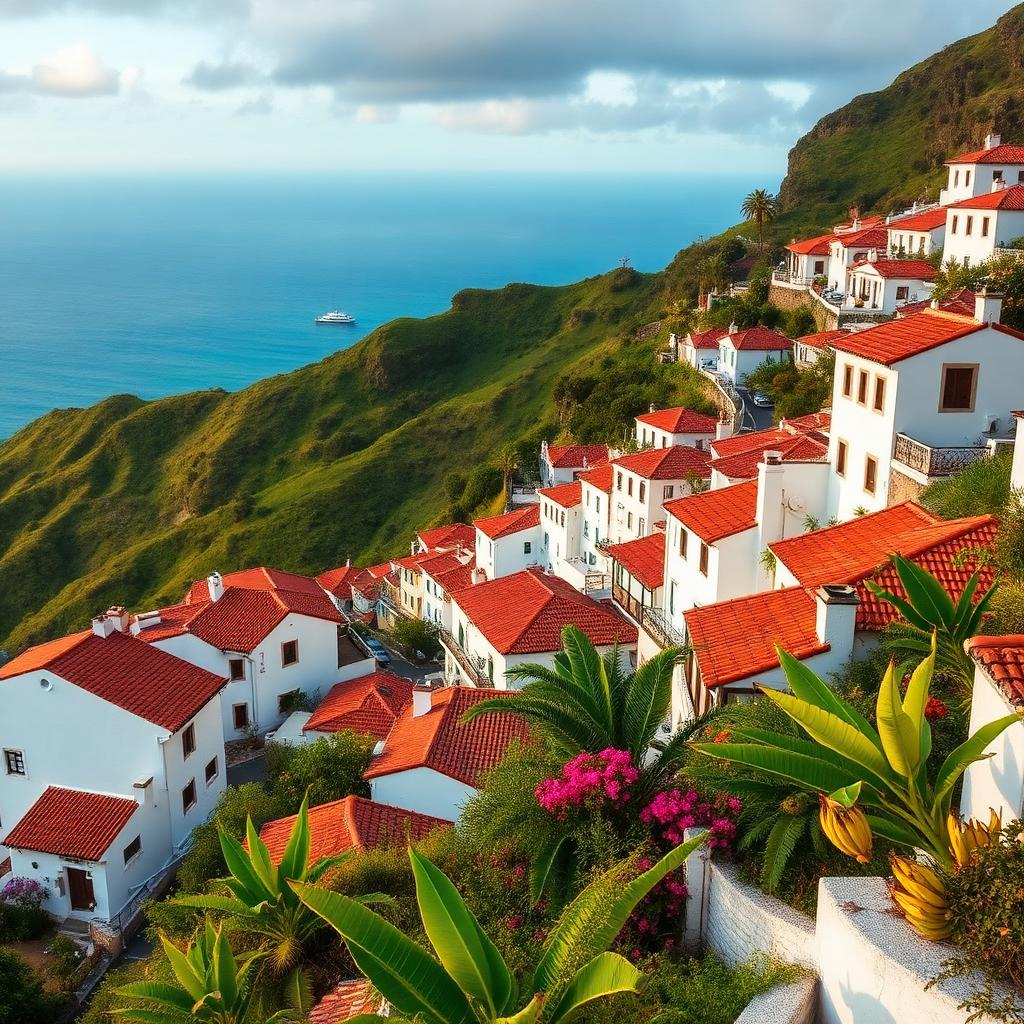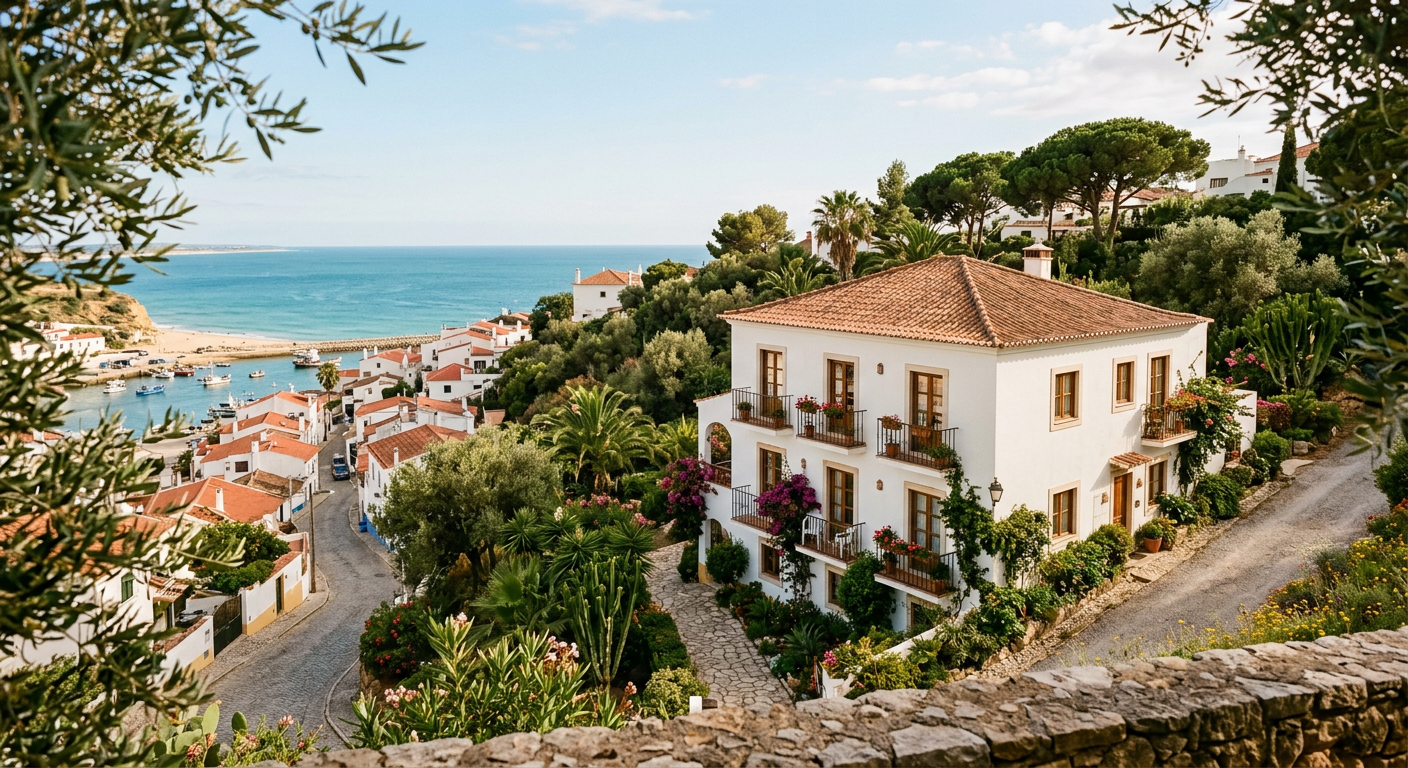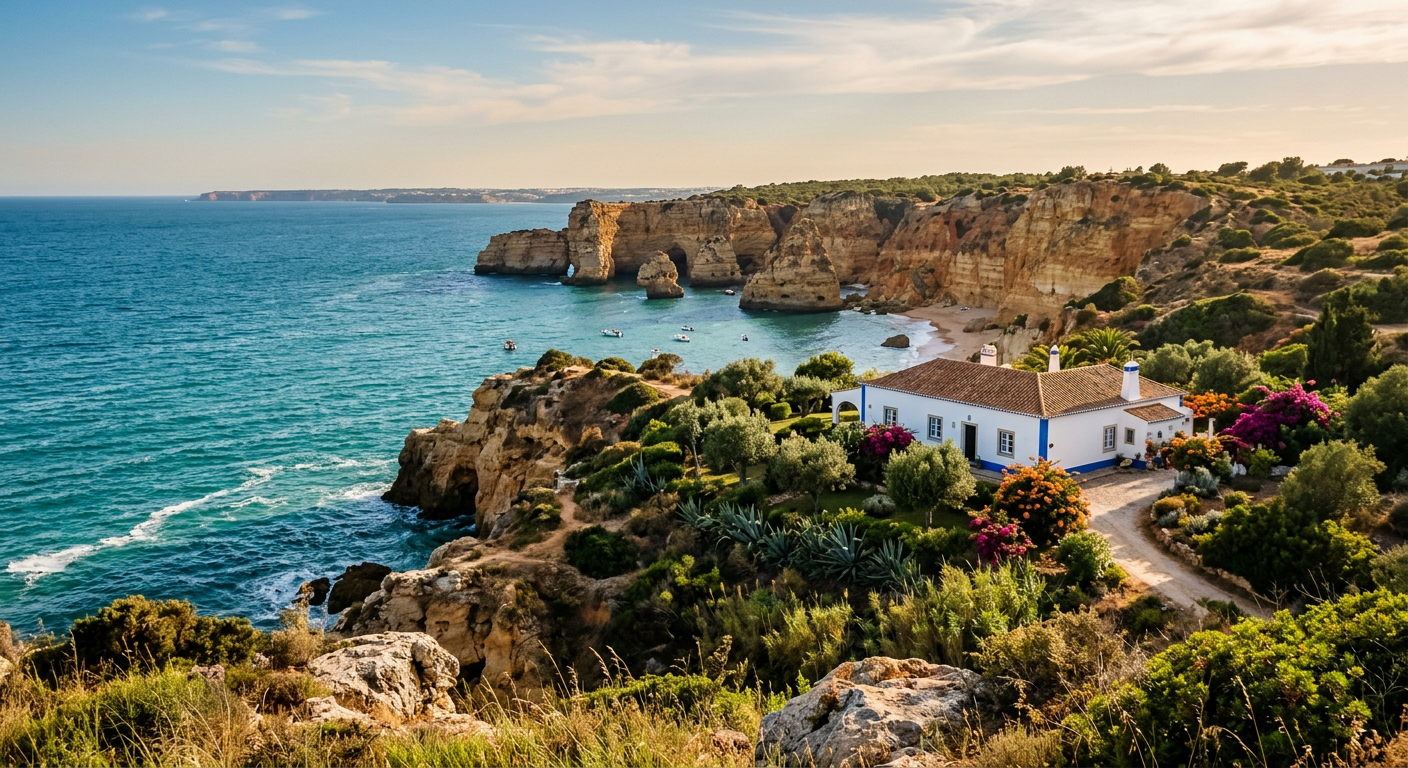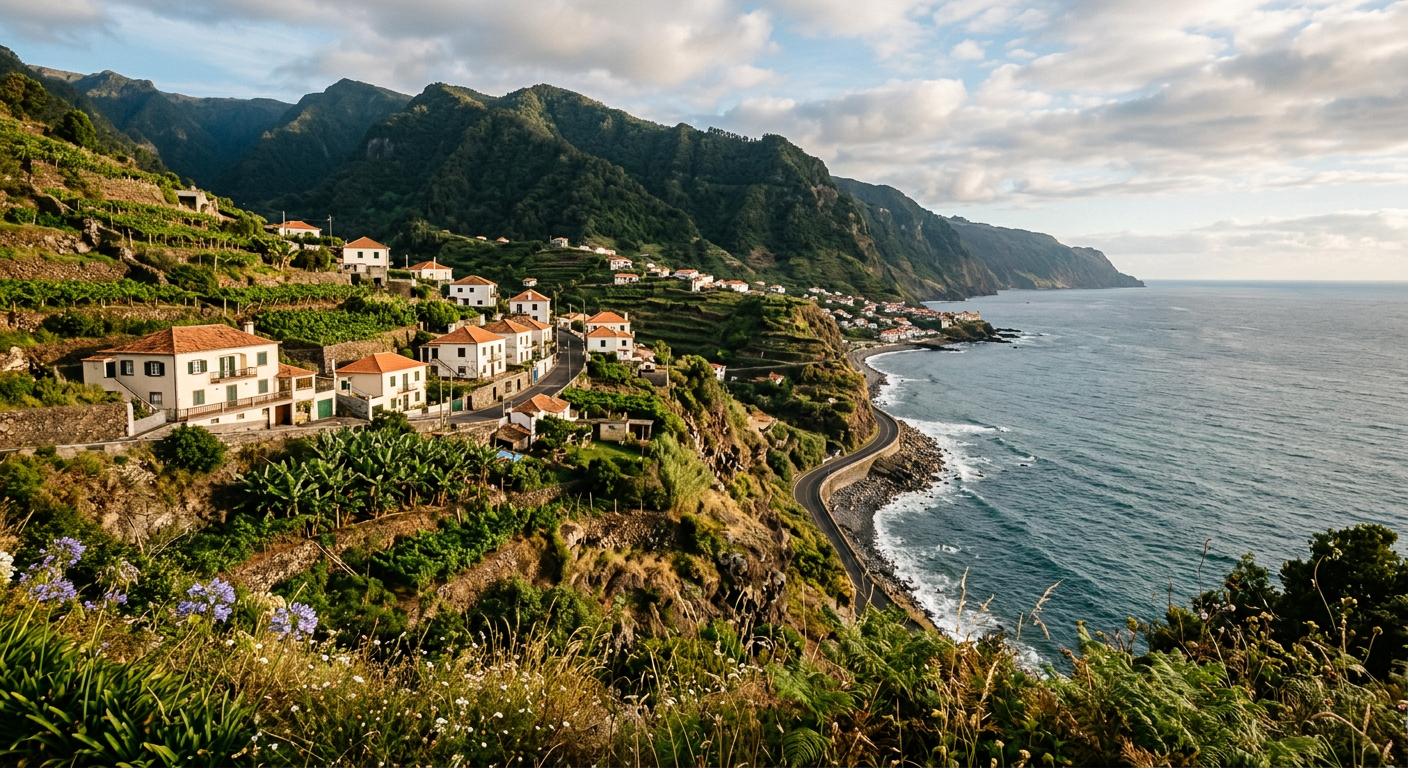

More and more people are choosing a new perspective beyond Dutch borders, focusing on a mild climate, safety, and tranquility. For many, living in Madeira as a Dutch national is a dream come true. This Portuguese island in the Atlantic Ocean, often hailed as the island of eternal spring, offers a rare combination of spectacular mountain landscapes, a deep blue ocean, and a high-quality European standard of living. While mainland Portugal has been a favorite for decades, Madeira offers a unique intimacy and a relaxed pace of life that can be found nowhere else.
Whether you are looking for a permanent emigration destination, an inspiring location for remote work, or a luxurious retreat for the winter months: Madeira welcomes a growing community of Dutch bon vivants, entrepreneurs, and retirees. In this article, you will read about what living on this flower island entails, which regions are most in demand, and how you can realize your real estate dream without worry.
01Why living in Madeira appeals so strongly to the Dutch
The appeal of Madeira lies in the exceptional balance between pristine nature and modern sophistication. While seasons in the Netherlands are often grey and unpredictable, Madeira enjoys a subtropical climate with daytime temperatures that rarely drop below 18 degrees or rise above 28 degrees Celsius. This constant mildness invites an active outdoor lifestyle throughout the year, from walks along the historic levadas to sailing past the dramatic cliffs of Cabo Girão.
Additionally, Madeira scores exceptionally high in terms of public safety. The island has one of the lowest crime rates in all of Europe, fostering a friendly and close-knit village atmosphere, even in the capital, Funchal. For families and solo movers, this creates a sense of security that is becoming increasingly rare in modern Western cities. Those who take the step toward moving to Madeira, living on the flower island, soon discover that daily life here is significantly less hectic.
"Many Dutch buyers are surprised by the sophisticated infrastructure in Madeira. You are living on a volcanic island in the middle of the ocean, but thanks to excellent motorways, modern hospitals, and an international airport, you sacrifice nothing in terms of comfort." Jasmijn van der Heide, Advisor at Atlanticasa
02The most popular regions for Dutch homebuyers
The landscape of Madeira is hilly and varied, resulting in distinct microclimates. The south coast is generally sunnier and warmer than the greener, more rugged north. Within the Dutch community, we see clear preferences for specific locations on the island.
Funchal: Urban allure with a historical soul
Funchal is the beating heart of Madeira. The capital combines classic Portuguese architecture with cosmopolitan amenities such as Michelin-starred restaurants, boutique hotels, marinas, and cultural festivals. Neighborhoods such as São Martinho and the prestigious Lido are highly sought after for their apartment complexes with sea views and direct access to promenades. For those who prefer living higher up with panoramic views over the bay, the hills of Monte and Santa Gonçalo offer grand villas with pools and lush subtropical gardens.
Ponta do Sol and Calheta: The sunny southwest coast
Anyone seeking maximum sunshine hours will inevitably end up in the municipalities of Ponta do Sol and Calheta. Ponta do Sol is known for its picturesque pastel-coloured village centre and attracts many international entrepreneurs and digital nomads. Calheta, in turn, offers a modern marina, one of the few golden sandy beaches on the island, and stunning new-build villas that combine sleek contemporary architecture with local natural stone. The pace here is slower than in Funchal, making it ideal for those seeking peace and privacy.
Traditional estates in the interior
Not everyone chooses sleek new builds on the coastline. The lush hills around Camacha, Santo da Serra, and Ribeira Brava house characteristic quintas. These historic manor houses and farmsteads often feature centuries-old trees, fruit orchards, and generous plots. Are you fascinated by the charm of a classic estate? Then read more about life in a quinta: what you didn't know to discover what authentic Portuguese living looks like.
03Finding real estate and buying a house in Madeira
The real estate market in Madeira has developed strongly in recent years. Where once mostly British and German buyers populated the island, more and more Dutch nationals are now choosing to invest in this autonomous region. The market is characterised by value stability: due to the topography, available building land is scarce, which provides a natural protection for property values.
When you decide to let buying a house in Madeira make your Mediterranean dream a reality, local expertise is indispensable. A key point of attention when purchasing is the location relative to the sun and the altitude above sea level. Properties situated below the so-called 'banana line' (roughly up to 200 metres in altitude) benefit from the mildest temperatures and the most sun. Higher up the slopes, it can cool down faster in the evenings and you may encounter mist or trade wind clouds more frequently.
Furthermore, purchasing real estate in Portugal requires a thorough legal check of title deeds, land registry records, and building permits. A Dutch-speaking purchasing consultant ensures that the process remains transparent and prevents administrative surprises when signing the deed at the notary.
04Practical matters for Dutch nationals in Madeira
Emigrating or buying a second home on an island requires good preparation. Fortunately, Madeira is an integral part of the European Union and Portugal, meaning that as a Dutch citizen, you have the right to travel, reside, and work there freely.
- Taxes and NIF: Before you can open a bank account or purchase property, you need a Portuguese tax number (NIF). Apply for this in good time via a tax representative.
- Healthcare: The public healthcare system in Madeira (SESARAM) is of a high standard, with the central Hospital Dr. Nélio Mendonça in Funchal. In addition, there are various modern private clinics. Ensure you are well-informed about the conditions; for example, read into health insurance in Portugal for Dutch nationals explained to ensure you are covered without worry.
- Accessibility: Cristiano Ronaldo International Airport offers direct connections to Amsterdam Schiphol and several German and Belgian airports. Within approximately four hours of flight, you are back in the Netherlands.
- Transport on the island: A car is almost indispensable in Madeira outside the immediate centre of Funchal. Due to the steep slopes, most residents opt for a reliable car with sufficient engine power or a modern electric vehicle.
Are you considering comparing Madeira with other popular Portuguese regions? While coastal towns on the mainland, as described in our guide on moving to Lagos: a guide to living and life, are primarily known for wide sandy beaches and golf courses, Madeira offers a dramatically greener landscape, spectacular cliffs, and an even more consistent subtropical climate.
05Frequently asked questions about living in Madeira for Dutch nationals
Is language a barrier for Dutch people in Madeira?
Generally not. Because Madeira has been a beloved destination for international visitors for centuries, a large part of the local population speaks excellent English. In shops, restaurants, hospitals, and government institutions, you can almost always get by in English. Nevertheless, it is highly appreciated if you learn the basics of Portuguese, especially when seeking contact with the local village community.
What is the internet connection like for those wanting to work remotely?
The digital infrastructure in Madeira is among the best in Southern Europe. Almost the entire island is connected to a modern fiber-optic network with very high internet speeds. Even in more remote mountain villages, mobile 5G coverage is excellent. Madeira has successfully positioned itself as the European hub for digital nomads and international freelancers.
What are the average costs of living on the island?
Daily life in Madeira is generally more affordable than in the Netherlands. Local seasonal products, fish, dining out, and public transport are very reasonably priced. Imported luxury products from Northern Europe may be slightly more expensive due to transport costs, but overall, fixed monthly costs and daily expenses are approximately 20 to 30 percent lower than in the Netherlands.
06Take the first step toward your home in Madeira
Realising a relaxed life under the Portuguese sun begins with clear insight into the market. Atlanticasa guides Dutch-speaking buyers in finding exclusive real estate, from modern design villas with views over the Atlantic Ocean to charming country houses in the green hills. Are you curious about current opportunities on this flower island? View our listings and discover, together with our experienced advisors, which home perfectly matches your wishes.