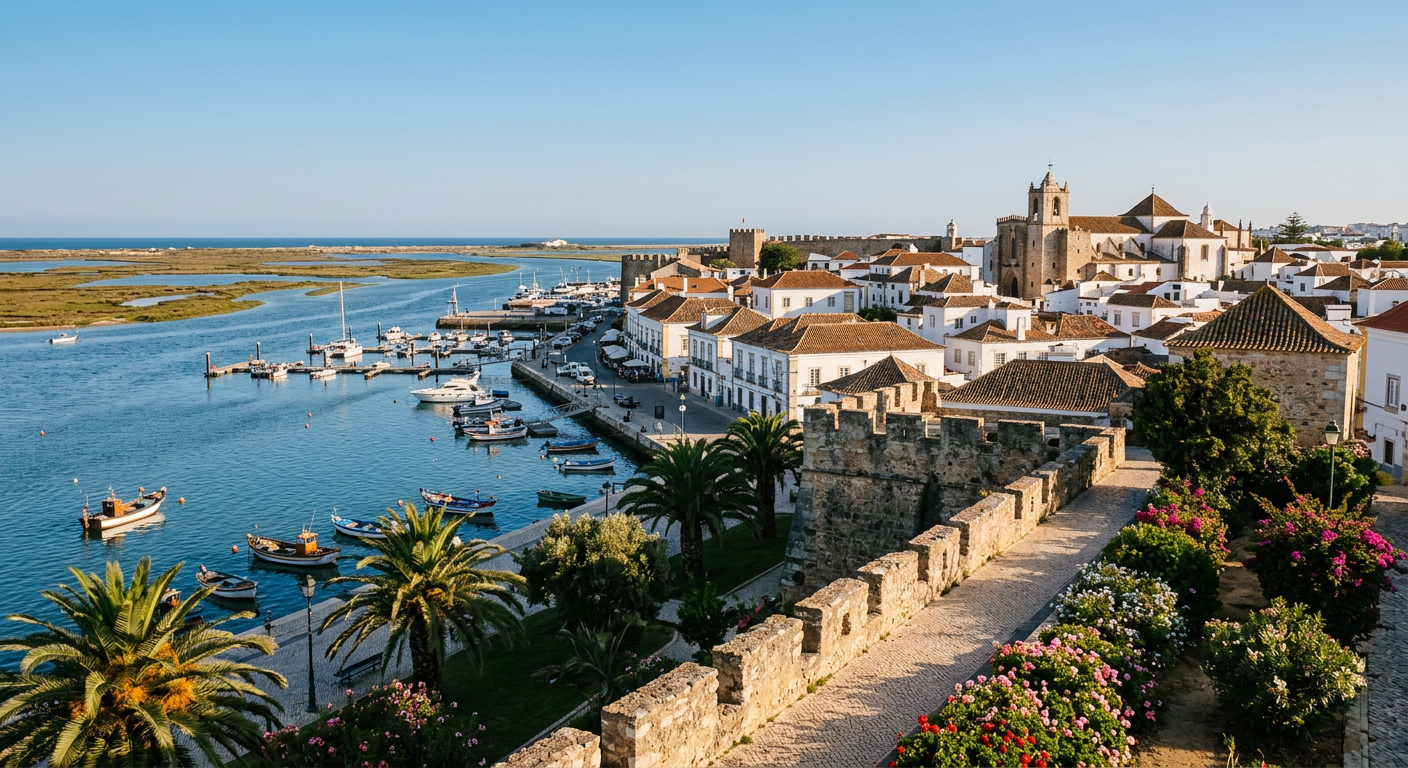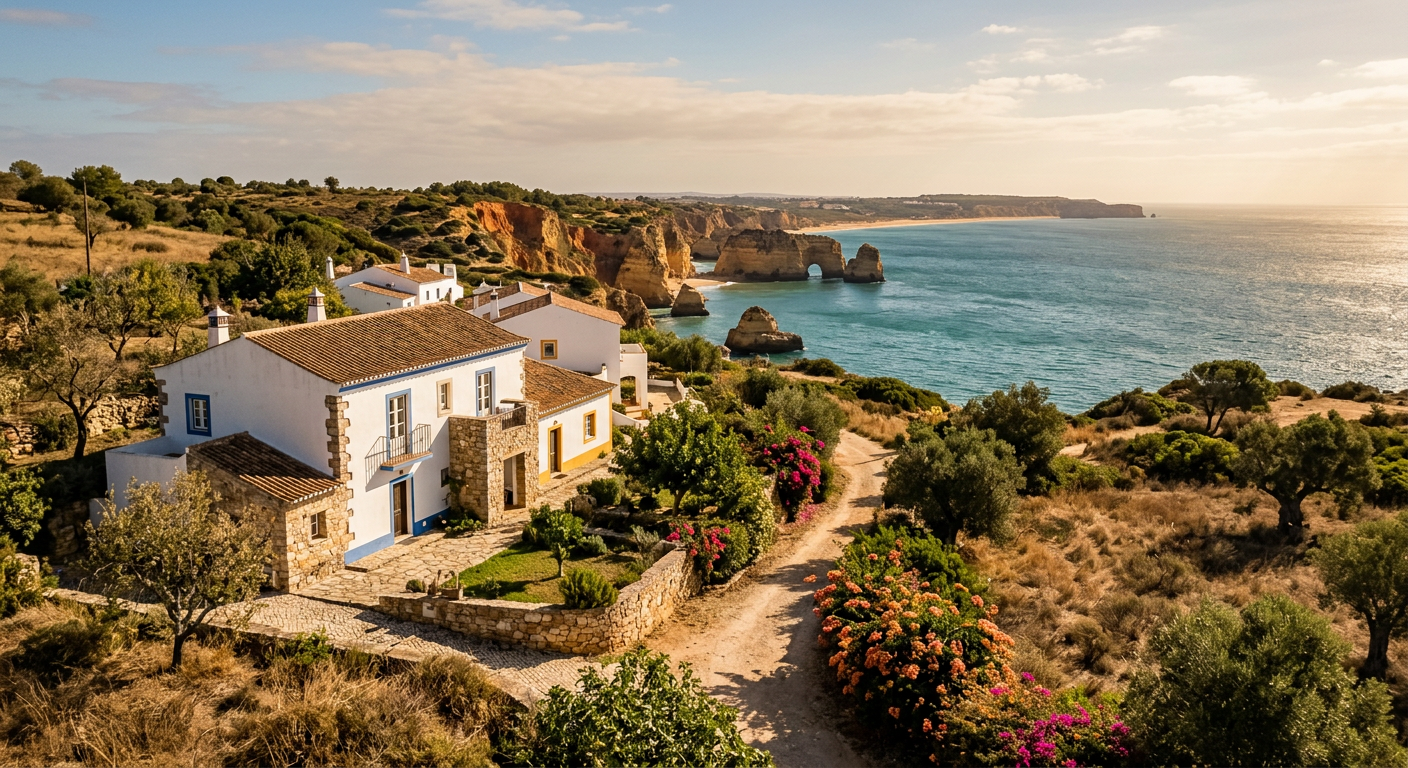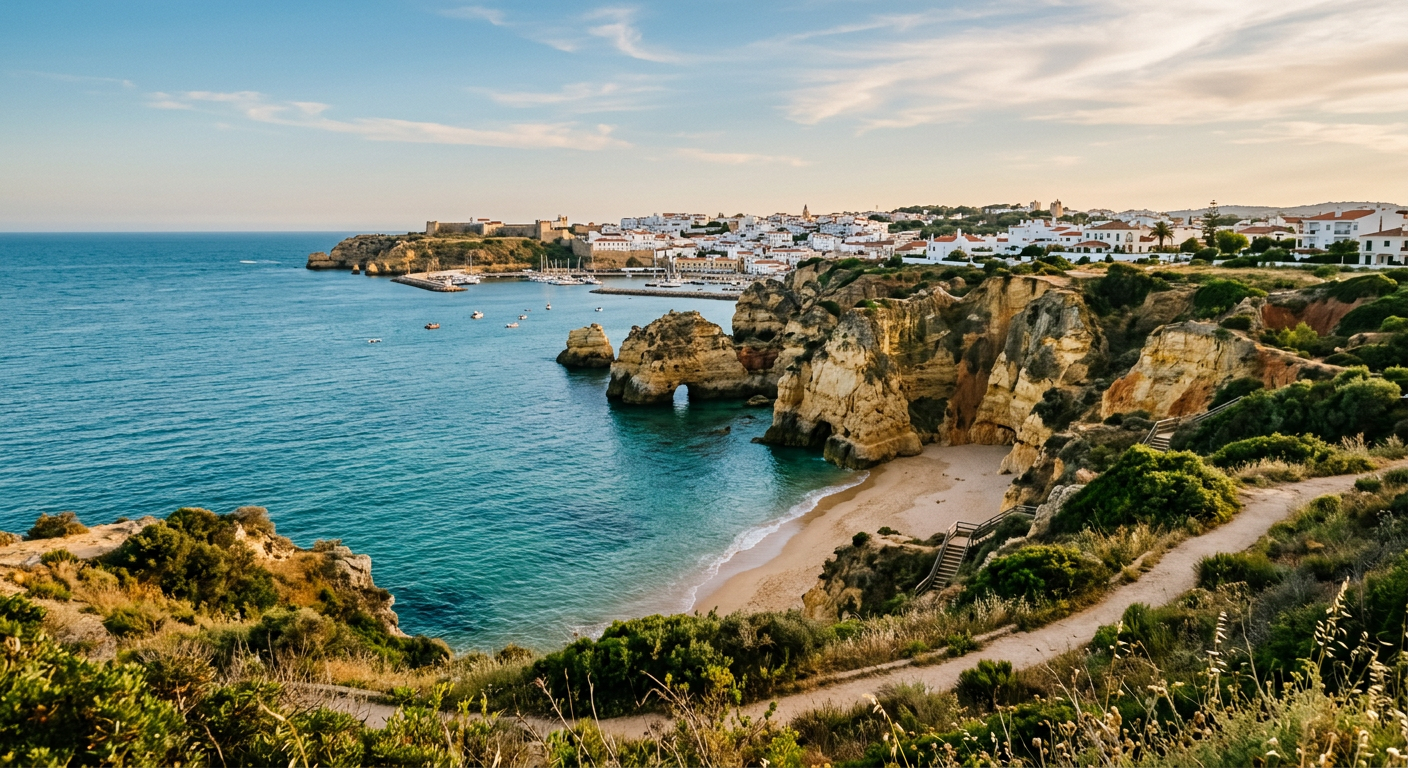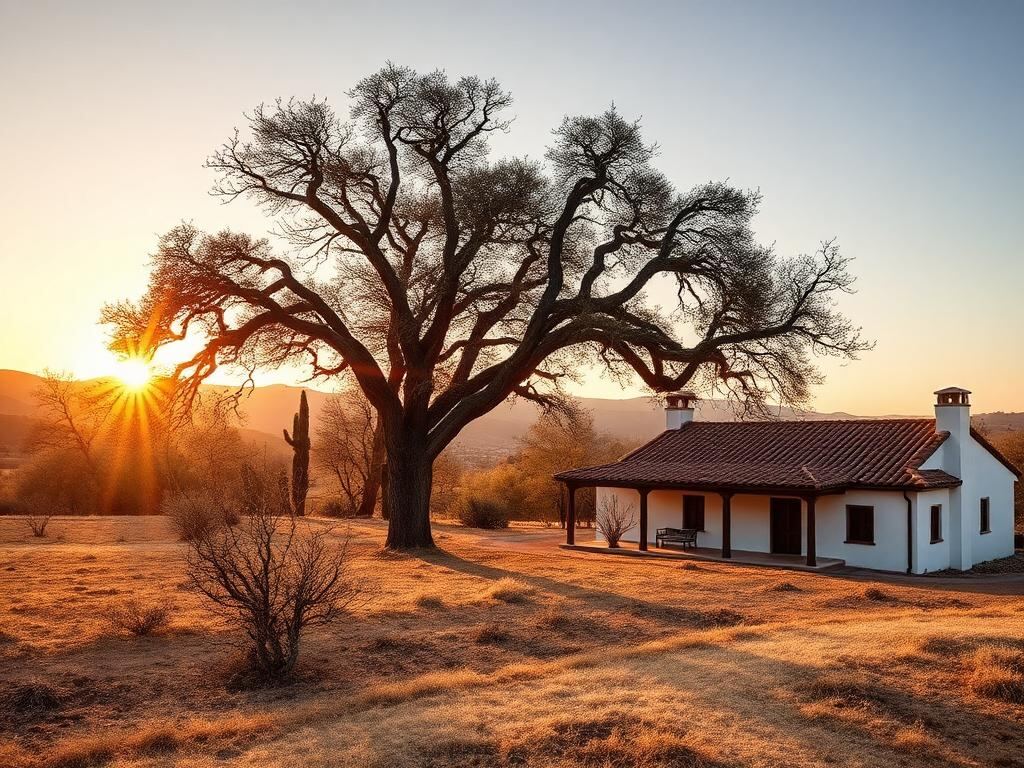

A quinta in Portugal: it conjures up images of sun-drenched cork trees, a cooling pond, long evenings under a beautiful pergola, and perhaps even wine from your own land. This idyllic vision is certainly not complete fiction and is often even more beautiful than the most perfect Instagram post can convey. But behind this romantic facade lies a reality that demands dedication, knowledge, and a good dose of energy. A quinta is work; it involves complex water management, requires investment in fencing, and can, paradoxically, also lead to moments of loneliness. At Atlanticasa, we value transparency. That is why we want to honestly inform potential buyers in the Algarve and beyond about what life on a quinta really entails, before they take the plunge.
Purchasing a quinta is more than just a real estate transaction; it is a lifestyle choice. It is an adventure that can be as satisfying as it is demanding. Our experience shows that those who are most successful are those who are well-informed about the challenges and prepare for them. Read on to discover the essential facts for anyone dreaming of a Portuguese rural life.
01What is a quinta? Definitions and Legal Reality
The term 'quinta' is a comprehensive Portuguese collective name that colloquially refers to a rural farm, estate, or country house. However, the size and nature can vary enormously, from a modest house with half a hectare of garden to a grand manor house surrounded by twenty hectares of olive groves or vineyards.
The legal classification in the Portuguese land registry is crucial and often underestimated. Land is primarily classified as prédio rústico (agricultural land) or prédio urbano (built-up land). Many quintas consist of a mix of both. It is essential to understand the distinction:
- Prédio rústico: This is purely agricultural land. Building or expanding on purely rústico land is an extremely complex and often lengthy process. It requires extensive permits from various authorities, such as the ARH (Regional Water Authority), ICNF (Institute for Nature and Forest Conservation), and the local municipality. These procedures can take years and are regularly rejected.
- Prédio urbano: This concerns the built-up parts of the plot, including the immediate surroundings of the dwelling considered as the 'yard'. Construction, expansion, or renovation can be carried out directly on these parts without a heavy procedure.
Important legal advice: Never buy a quinta with the idea of 'I'll just add a guest house or a larger shed later', unless you have had this thoroughly verified in advance by a specialised lawyer and architect. The legal red tape is considerable and can quickly turn your dream into a nightmare. Thorough due diligence is indispensable here to prevent surprises. For more information on the regulations and legal aspects of real estate in Portugal, we recommend consulting our practical guide to living and working in the Algarve.
Essential: Water Management in the Algarve
One of the biggest and most underestimated challenges for new quinta residents, especially for those coming from water-rich countries like the Netherlands and Belgium, is the water supply. Most rural quintas, especially in the sunny Algarve, are not connected to the public water mains. This means you are responsible for your own water supply, which is crucial in a region that can experience droughts.
The water supply usually comes from three sources:
- Private borehole (furo or poço): A furo is a deep borehole for groundwater, while a poço is a shallower well. While a source can provide sufficient water without problems during wet months, its capacity can decrease significantly during the drier periods of August and September, or even run dry or become brackish.
- Rainwater storage (cisterna): Many quintas have cisterns, large underground tanks for collecting rainwater. This is a sustainable and environmentally friendly solution, provided the capacity is sufficient for your consumption.
- Delivery by tanker truck: Some smaller quintas without their own source or with insufficient storage must rely on water delivery by tanker truck.
Cost indications and water installation maintenance:
- New borehole (furo): Costs vary greatly depending on depth and geological conditions, but are generally between €4,000 and €12,000 (often between 60 and 120 metres deep).
- Significant rainwater tank (30,000 litres): Estimate approximately €6,000 – €8,000 for construction.
- Reverse osmosis drinking water system: For safe drinking water from your own source, a reverse osmosis system is often needed, with costs between €2,500 and €4,000.
In addition to the initial investment, there is also monthly maintenance: inspecting pumps, cleaning/replacing filters, and monitoring water quality (and chlorinating if necessary). Count on at least 24 hours per month in maintenance time to keep your water supply operational and safe.
Fences and Bounderies: Avoid Misunderstandings
In rural Portugal, and certainly in the Algarve, plots often have historically grown boundaries that are not always clearly defined. An old stone wall, a row of eucalyptus trees, or a vague agreement of 'over there by that tree' with the neighbour used to be enough. This is no basis for a modern property transfer or for preventing conflicts.
At Atlanticasa, we standardly have a levantamento topográfico performed for every quinta purchase. This is an official, surveyed map that accurately establishes the legal boundaries of the plot. The costs for this are approximately €800 to €1,500 and are an absolute necessity to prevent future disputes.
Once the boundaries are clear, the issue of fencing arises. Especially in areas where wild boar (javalis) occur, a solid wild fence is indispensable to protect your garden and crops. Fencing two hectares with a decent wild fence costs about €15,000 to €25,000. Cheaper alternatives are possible, but there is a high chance that wild boar will plough up your land within three months. A serious, automated entrance gate adds another €4,000 to the costs.
"The romance of a quinta is absolutely real. But every year I see two or three clients who sell their quinta again within five years because they underestimated the amount of work and the practical challenges. A quinta is not just a house. It is a small business without staff, and you have to be able to handle that." Carla Nunes, rural real estate advisor Atlanticasa
02The Inevitable: Maintenance of a Quinta
Life on a quinta is synonymous with working outdoors. There is always something to do. The amount of work is one of the most decisive factors for successful quinta living. We can roughly divide the maintenance into a few categories:
- Vegetation Management (Fire Hazard): In the summer months, it is legally mandatory to mow and clear vegetation up to 50 metres around buildings due to high fire danger. This can take three to five full days per year, or cost €800–€1,500 if you outsource it. Failure to comply can lead to high fines and dangerous situations.
- Olive Trees & Orchards: Do you have olive trees? Then pruning awaits you every second year. The harvest takes place in November, followed by pressing at the cooperative. For example, with 80 trees, you will easily be working for four weekends, which can yield about 200 litres of your own olive oil. This also applies to any other fruit trees.
- Pool Maintenance: A pool is wonderful but requires constant maintenance. Count on at least six months of intensive use and two months (spring and autumn) for start-up and winterising. Chemical costs are around €1,200 per year, and electricity for the heat pump (if present) and circulation pump easily adds up to €800.
- Septic Tank: Since there is no sewage connection, your quinta will have a septic tank. This must be emptied every two to three years, costing about €150.
- Pumps, Filters, and Pipes: Rural life means you are dependent on various technical installations for water and energy. Something always breaks, from a water pump to a filter or a pipe. Estimate €1,000–€2,000 per year for unexpected repairs and replacements.
The Loneliness Factor: An Unexpected Challenge
This is often the most deeply felt and hardest to predict complaint we hear from starting quinta residents. A quinta is, by definition, remote. The nearest neighbour might live half a kilometre away, the village centre a ten-minute drive, and a pleasant terrace fifteen minutes. In the summer, with friends and family visiting, this feels wonderfully secluded. However, in the dark months, when days are short (dark by half past five in November) and no visitors come for weeks, the isolation can be heavy.
Our rule of thumb is: Anyone who lives in a terraced house in their home country and says 'I love peace and quiet' will often find after six months of quinta life that life in the Algarve brings a very different kind of quiet than expected. Those who already live in a detached farmhouse in a rural setting, or a house on a larger plot, have a better idea of what awaits them. For everyone else, we seriously recommend a three-month trial rental. This could be worth its weight in gold and prevents a bad purchase. Also check our tips on moving to Lagos, for a more lively, yet authentic Portuguese experience.
03What living on a quinta costs annually: A realistic overview
In addition to the initial investment in purchasing the quinta, there are significant annual costs to consider. This overview is an indication for an average quinta of 2–4 hectares with a house of 200–300 m², including a pool and private water source. It excludes major replacements like a new roof, a complete bathroom refurbishment, or the replacement of large installations like solar panels which are due for replacement after 15-20 years.
These figures are estimates and can vary depending on consumption, size of the quinta, and individual choices. However, they provide a realistic picture of the average annual burdens. Those thinking about permanently moving to the Algarve should carefully weigh these costs in their budget.
04To Quinta or Not to Quinta? Key Considerations
At Atlanticasa, we guide between ten and fifteen quinta purchases in the Algarve annually. Of these purchases, we see an average of two to three reappear on the market within five years. The reasons are often the same: the reality of quinta life turns out differently than expected. But the clients who are successful and continue to live on their beautiful quinta often share three key traits or circumstances:
- Time: They are retired, work remotely with flexible hours, or have a life that offers plenty of free time to invest in the quinta. A quinta requires continuous attention and presence.
- Hands (and Motivation): They don't see DIY or chores as a burden, but as a pleasant activity. They are practical-minded, enjoy solving problems, and are not afraid to roll up their sleeves. A quinta is not a house where everything is arranged for you.
- Social Buffer: They already have a social network in Portugal or build one quickly. This could be a group of friends, an association, or just a good neighbour they already knew or got to know quickly. These social contacts are essential to combat loneliness and often provide practical help or advice.
The clients who eventually return to their home country invariably lacked one or more of these three factors. None of them regret the adventure itself, but almost all say the same thing: 'I didn't know how much work a quinta is'. With this article, we hope to give you a more realistic picture. Are you considering a more maintenance-free option? Then an apartment in the Algarve might be a better choice.
05FAQ: Frequently Asked Questions about Buying a Quinta
Is a quinta a good investment in the Algarve?
A quinta can be a good investment, especially if you value privacy, space, and an authentic Portuguese lifestyle. However, the "return on investment" should be viewed not just financially, but also in terms of quality of life. The value of rural real estate in the Algarve is rising steadily, but the costs for maintenance and management are significant. Potential for agrotourism or rentals can make the investment more profitable, provided you are willing to take on this extra business management.
What about internet and phone coverage on a quinta?
In the rural interior of the Algarve, connectivity can vary. Fibre is not yet available everywhere, but 4G/5G coverage has improved greatly in recent years. Many quintas use satellite internet or mobile internet via a router. We always advise checking local coverage on-site and inquiring about available options for fast and stable internet access, which is essential for remote working.
Can I hire staff for the maintenance of my quinta?
Yes, you can certainly hire staff for various maintenance tasks. Local gardeners, pool maintenance services, and handymen are available and can save you a lot of time. However, keep in mind that this involves extra costs (see annual costs) and that you still need to maintain coordination and supervision. Finding reliable and skilled staff often requires local knowledge and good contacts. Atlanticasa can, of course, advise and introduce you here.
06Ready for the Quinta Adventure?
We hope this extensive article has given you an honest and complete picture of life on a quinta in the Algarve. It is a dream that can come true, provided you are well-prepared and start this beautiful adventure with realistic expectations. The reward is an unparalleled quality of life, surrounded by the peace and beauty of the Portuguese countryside.
Are you still enthusiastic after reading this article and want to explore the possibilities of a quinta in the Algarve further? Or are you still hesitant and need personal advice on which lifestyle in Portugal suits you best?
Then contact Atlanticasa today. We are ready for you with expert advice, local knowledge, and a wide range of properties. We are happy to help you realize your dream in Portugal in a way that perfectly aligns with your wishes and expectations.