
Anyone considering purchasing an apartment or townhouse in the Portuguese capital soon discovers that the city is exceptionally diverse. The success of your purchase depends largely on the specific environment you choose. The various neighbourhoods in Lisbon each have a distinct identity, architecture, and rhythm of life. From the stately avenues in the north to the creative warehouses on the Tagus: selecting the right area requires insight into both the local lifestyle and the real estate market. With careful orientation, you lay the foundation for a sustainable investment and a wonderful home in Southern Europe.
01The versatile neighbourhoods of Lisbon for buyers
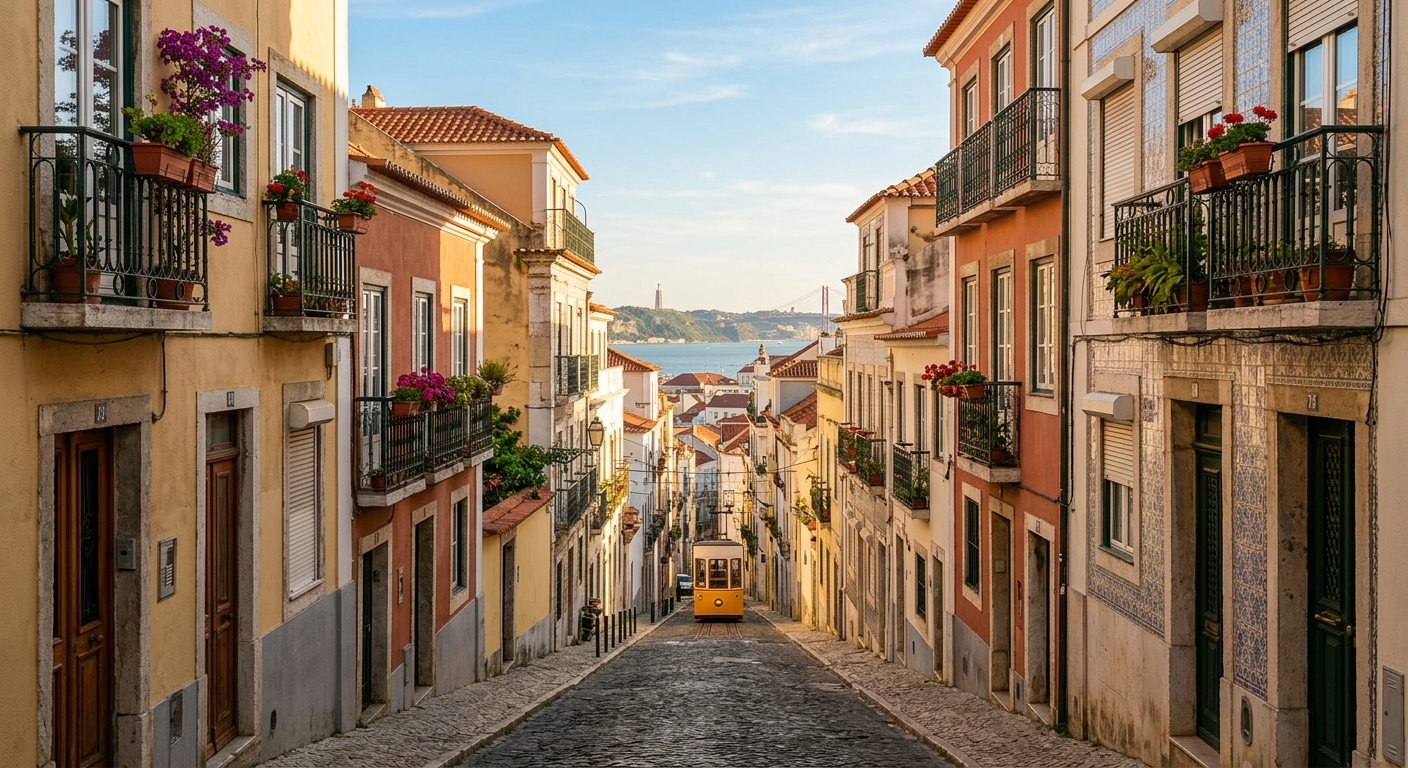
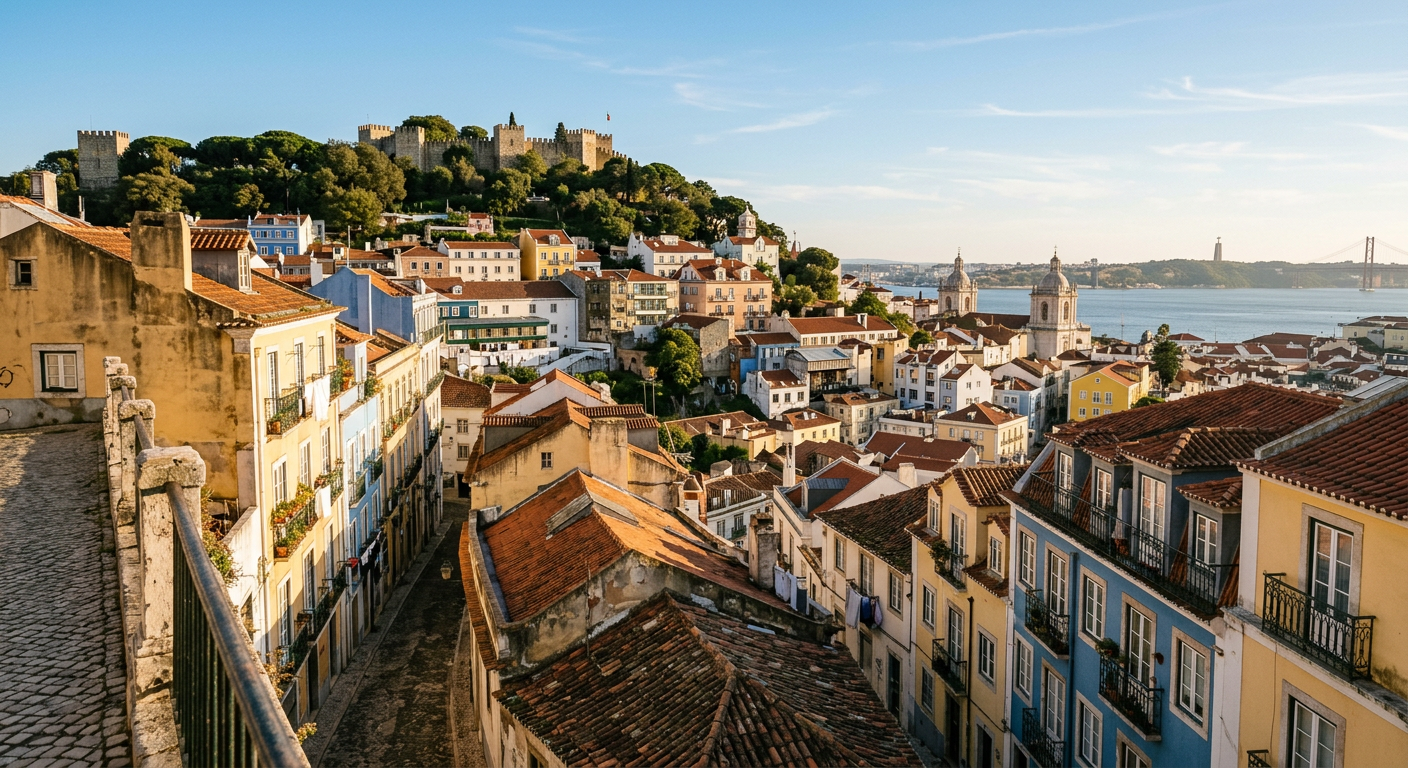
Lisbon is built on seven hills, which provides spectacular views over the Tagus, but also results in significant differences per district. Where one buyer falls for the cobbled streets and historic facades with traditional azulejos, another deliberately chooses sleek new builds and wide boulevards by the water. Anyone searching for high-quality Real Estate in Lisbon will immediately notice that the atmosphere can change from street to street.
The city can be broadly divided into historic core districts, chic residential zones, emerging creative districts, and modern new-build locations along the river. If you want to understand exactly how the city is geographically structured, read our overview on Lisbon Districts: what belongs where? to get a good starting point for your search.
02Characterful residential neighbourhoods in Lisbon
For buyers looking for peace, amenities within walking distance, and an authentic living environment without excessive mass tourism, three districts stand out: Campo de Ourique, Estrela, and Lapa.
Campo de Ourique
Campo de Ourique functions almost like an independent village within the metropolis. Unlike many other neighbourhoods in Lisbon, this district is remarkably flat, making daily life extremely comfortable. You will find a lively indoor market (Mercado de Campo de Ourique), numerous delicatessens, artisanal bakeries, and international schools nearby. The property offering varies from beautifully renovated Art Nouveau buildings to spacious mid-twentieth-century family apartments.
Estrela and Lapa
Adjacent to Campo de Ourique lie Estrela and Lapa. Estrela is known for its beautiful basilica and the leafy city park Jardim da Estrela, where residents gather at weekends for coffee in the shade of exotic trees. Lapa is traditionally the city's diplomatic quarter: here, stately townhouses, embassies, and palaces adorn the slopes that gently descend to the river. Buyers find exclusive real estate here with high ceilings, lush city gardens, and expansive views over the Tagus.
"When selecting the right neighbourhood in Lisbon, we look further than just today's price per square metre. The true value lies in the interplay between accessibility, the local community, and planned urban development."
Nick Houwen, Advisor at Atlanticasa
03Lively neighbourhoods with cosmopolitan charm
Are you looking for more vibrancy, boutique hotels, galleries, and gastronomic highlights on your doorstep? Then Príncipe Real and Santos are among the absolute favourites for international buyers. Those considering a permanent move to Portugal can discover in our article about Living in Lisbon Portugal: your dream capital awaits what this dynamic lifestyle looks like in practice.
Príncipe Real
Príncipe Real is without doubt one of the trendiest and most prestigious districts at the moment. Situated on the top of a ridge, this neighbourhood combines nineteenth-century palaces with concept stores, organic markets, and top restaurants. Real estate in Príncipe Real belongs to the upper segment of the market. Demand for carefully restored apartments that retain historic details remains structurally high here.
Santos and the Design District
At the bottom of the hill, bordering the riverbank, lies Santos. This district has developed into the official design district of Lisbon. Architectural firms, interior design shops, and modern bistros have settled in former workshops. Santos attracts a younger, international crowd and benefits enormously from the expansion of the metro line, which strengthens the future value retention of the real estate.
04Emerging neighbourhoods with potential for capital growth
While the city centre is consolidated, investment focus is increasingly shifting to the east of the city. Neighbourhoods like Marvila and Beato are currently undergoing large-scale transformation. These former industrial zones now house creative hubs like the Beato Innovation District, breweries, art galleries, and modern loft complexes.
Buyers who enter early here benefit from relatively lower entry prices per square metre and significant opportunities for capital growth in the medium to long term. The combination of large plots, industrial architecture, and the direct location on the Tagus makes Marvila a unique player within the urban landscape.
05Practical tips for choosing between different neighbourhoods
The buying process in Portugal runs smoothly when you formulate clear criteria beforehand. Consult our comprehensive Guide to buying a house in Portugal for legal and practical guidance. When comparing neighbourhoods, pay specific attention to the following points:
- Topography and accessibility: Determine if steep hills and stepped streets suit your mobility, or if a flatter neighbourhood like Campo de Ourique or Parque das Nações is more suitable.
- Parking availability: In historic districts like Alfama and Bica, private parking is extremely scarce; in more modern areas, almost every apartment has its own garage space.
- Noise levels and tourism: Research the street at different times of the day and week to check how busy tourism or nightlife is in the area.
- Public transport: Check proximity to metro stations or the famous yellow trams, as well as future extensions of the metro network that will improve accessibility.
- Building condition and HOA management: Older buildings in historic districts often require specific maintenance for roofs, facades, and plumbing; always have this thoroughly checked.
06Find your ideal home with Atlanticasa
Choosing the perfect location requires up-to-date knowledge of the local market. Atlanticasa helps Dutch-speaking buyers navigate the many neighbourhoods of Lisbon, from exclusive homes in Estrela to interesting investment properties in Marvila. View our listings to see which properties are currently available, or contact us without obligation for personal purchasing advice.
07Frequently asked questions about neighbourhoods in Lisbon
What are the most child-friendly neighbourhoods in Lisbon?
Campo de Ourique, Estrela, and Parque das Nações are generally considered the most family-friendly neighbourhoods. They offer excellent parks, flat pavements, safe play areas, and a wide choice of good public and international schools.
Which neighbourhoods in Lisbon are most suitable for rental yields?
For stable long-term rentals, neighbourhoods around universities and business districts like Avenidas Novas and Saldanha are very popular. For capital appreciation and medium-term rentals, emerging zones like Marvila and Alcântara offer attractive opportunities.
Is the historic centre suitable for permanent living?
Districts like Alfama, Baixa, and Bairro Alto have undeniable charm, but can be intensive for permanent residence due to tourist crowds, narrow streets, and a lack of parking. Many buyers therefore prefer the quieter edges of the centre, such as Príncipe Real, São Bento, or Santa Catarina.